
Maternity Care
Postpartum Care in Visakhapatnam
Postpartum care in Visakhapatnam with expert support for recovery, emotional wellbeing, and maternal health after childbirth.
On this page
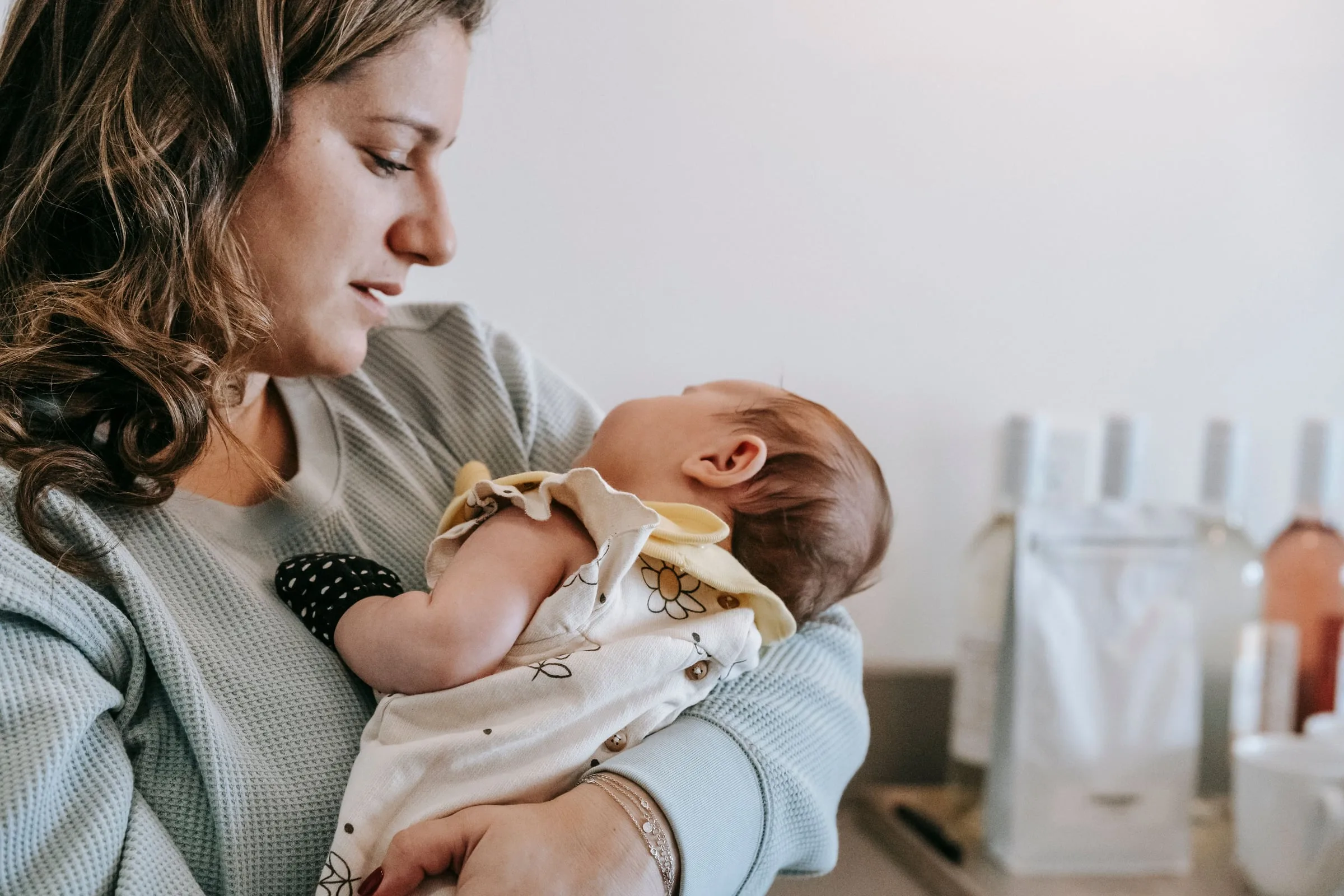
The postpartum period, often referred to as the "fourth trimester," is a transformative phase filled with joy, challenges, and significant changes. While welcoming a new baby is a beautiful experience, the postpartum stage can bring both physical and emotional adjustments as your body heals and you adapt to motherhood. With around 80% of women experiencing some level of postpartum discomfort, proper care and guidance are crucial for a healthy recovery. At Blissful Pregnancy Fertility & Gynae Clinic, we provide comprehensive postpartum support, ensuring you receive the care you need to recover physically and emotionally during this precious time.
What is the Postpartum Period?
The postpartum period begins right after childbirth and typically lasts for about 6 to 8 weeks, although recovery can extend beyond this timeframe for some women. During this period, your body undergoes several changes as it returns to its pre-pregnancy state:
- Physical Recovery: Healing from delivery, whether vaginal or C-section, involves managing discomfort, caring for wounds, and addressing postpartum bleeding.
- Hormonal Shifts: Hormones fluctuate significantly after childbirth, impacting mood, energy levels, and breastfeeding.
- Emotional Well-being: The postpartum period can bring a range of emotions, from joy to anxiety, as you adjust to the responsibilities of motherhood.
- Breastfeeding and Newborn Care: Learning how to care for your baby while recovering can be both rewarding and overwhelming.
Physical Recovery After Childbirth
Women who have had a vaginal delivery may experience discomfort, soreness, and bleeding. Here are common aspects of vaginal birth recovery:
| Symptom | Description | Care Tips |
|---|---|---|
| Perineal Pain | Soreness in the perineum, especially if there were tears or an episiotomy | Use ice packs, sitz baths, and pain relief as needed |
| Postpartum Bleeding (Lochia) | Vaginal bleeding that starts heavy and gradually lightens over a few weeks | Use heavy-duty pads and rest when needed |
| Uterine Contractions | Mild cramping as the uterus shrinks back to its pre-pregnancy size | Use gentle heat and pain relief medications as prescribed |
| Hemorrhoids | Swollen veins in the rectal area, common after pushing during labor | Use over-the-counter creams, eat fiber-rich foods, and stay hydrated |
2. C-Section Recovery
C-section recovery involves surgical healing, which requires additional care. Here are common aspects of C-section recovery:
| Symptom | Description | Care Tips |
|---|---|---|
| Incision Care | Healing of the surgical incision, which may feel tender or sore | Keep the area clean, dry, and follow your healthcare provider’s instructions for care |
| Pain Management | Discomfort around the incision site or from gas pains | Take prescribed pain relief, use pillows for support when coughing or moving |
| Limited Activity | Restrictions on lifting, exercise, and heavy activities for the first 6 weeks | Gradually increase movement and avoid strenuous tasks |
| Abdominal Weakness | Feeling of weakness in the abdominal muscles due to surgery | Gentle exercises like pelvic tilts and deep breathing can help regain strength |
Emotional and Mental Well-being After Birth
Emotional health is just as important as physical recovery. Hormonal shifts, lack of sleep, and adjusting to motherhood can affect your mood. Here’s how to support emotional well-being during the postpartum period:
1. Baby Blues and Postpartum Depression
It’s normal to experience a range of emotions after childbirth. Understanding the difference between baby blues and postpartum depression can help you get the support you need:
- Baby Blues: Characterized by mood swings, crying spells, and irritability that typically resolve within 2 weeks.
- Postpartum Depression: More severe and lasting symptoms, such as persistent sadness, anxiety, or hopelessness, affecting daily life.
2. Tips for Emotional Well-being
- Rest and Sleep: Prioritize sleep whenever possible, and consider napping when the baby sleeps.
- Seek Support: Lean on family, friends, or postpartum support groups for emotional encouragement and shared experiences.
- Open Communication: Talk to your partner or healthcare provider about how you’re feeling. Seeking professional counseling if needed can be very helpful.
- Self-Care: Don’t forget to care for yourself—taking time for relaxation, hobbies, and things you enjoy can enhance your mood.
Postpartum Self-Care Essentials
Self-care is crucial during the postpartum period to support healing and well-being. Here are some essential tips for effective self-care:
| Self-Care Practice | Description | Impact |
|---|---|---|
| Gentle Exercise | Start with light walks and gentle stretching to boost mood and circulation | Improves energy levels and supports physical recovery |
| Balanced Nutrition | Eat nutrient-rich foods, focusing on lean proteins, whole grains, fruits, and vegetables | Provides energy, supports healing, and enhances milk production |
| Stay Hydrated | Drink plenty of water, especially if breastfeeding, to stay hydrated and support recovery | Helps with milk supply and overall well-being |
| Take Breaks | Allow yourself time to rest and take breaks when needed; don’t be afraid to ask for help | Reduces stress and prevents burnout |
| Practice Mindfulness | Engage in mindfulness exercises like deep breathing, meditation, or gentle yoga to reduce anxiety | Enhances emotional well-being and reduces tension |
Benefits of Proper Postpartum Care
Proper postpartum care is crucial for a healthy and fulfilling recovery experience, positively impacting both physical and emotional well-being. Here are the key benefits:
- Faster Physical Healing: Attentive care helps the body recover from childbirth, reducing discomfort and promoting faster healing.
- Emotional Stability: Adequate emotional support and self-care can lower the risk of postpartum depression and anxiety, fostering a positive and connected experience with your baby.
- Increased Energy: Prioritizing good nutrition, hydration, and gentle exercise boosts energy levels and combats fatigue, making it easier to handle daily tasks and baby care.
- Successful Breastfeeding: Proper guidance and support enhance breastfeeding success, benefiting both mother and baby by fostering bonding and ensuring good health.
- Strengthened Support Network: Engaging with family, friends, and healthcare professionals builds a strong support system, increasing confidence and reducing feelings of isolation.
Download Our Free Postpartum Care Guide
Get detailed information on postpartum care, self-care tips, breastfeeding support, and emotional well-being with our comprehensive guide. [Download Here]
Schedule Your Postpartum CheckUp Today!
We are dedicated to supporting your postpartum journey with personalized care, expert guidance, and compassionate assistance. Schedule your postpartum check-up with Dr. Ramya Sadaram to monitor your recovery and receive advice on physical and emotional well-being.
Frequently Asked Questions
Below are answers to some of the most common questions regarding postpartum recovery and care:
How long does postpartum recovery take?
Recovery time varies, but most women feel physically recovered within 6 to 8 weeks after delivery. C-section recovery may take a bit longer, and some women need additional time for emotional healing.
How can I manage postpartum pain?
Pain management includes using prescribed pain relief, applying ice packs for soreness, practicing gentle movement, and resting as much as possible. Discuss pain management options with your healthcare provider.
When can I start exercising again after childbirth?
Light exercises like walking and stretching can start a few weeks after delivery, depending on how you feel. Consult your healthcare provider before beginning any rigorous activity, especially after a C-section.
Start your journey to parenthood, book your consultation today!
Your path to parenthood starts now. Take the first step toward a healthy pregnancy – explore our expert preconception counselling today.