
Fertility Treatment
IVF Treatment in Visakhapatnam
Discover expert IVF treatment in Visakhapatnam at Blissful Pregnancy Fertility and Gynae Clinic. Learn about the IVF process, including ovulation induction, embryo culture, and advanced techniques like blastocyst transfer, to enhance your chances of a…

On this page
- What is IVF
- IVF Treatment Process: Step by Step
- Fertility Testing and Scans
- Ovulation Induction
- Egg Retrieval
- Sperm Retrieval & Preparation
- Fertilisation
- Embryo Culture
- Embryo Transfer
- Aftercare and Pregnancy Test
- Is IVF Right for You?
- Practical tips you can follow to improve your IVF Success
- Why Choose Blissful Pregnancy Fertility Clinic in Visakhapatnam?
- Take your first step toward parenthood in Vizag
If you’ve been trying to conceive for a while without success, you’re not alone. It’s okay to feel overwhelmed, frustrated, or even scared. At Blissful Pregnancy Fertility & Gynae Clinic in Visakhapatnam, we’re here to support you at every step. This guide will help you understand IVF treatment. You’ll learn what it involves, who it helps, and how the process works in clear, simple steps. Whether you are exploring your options or preparing for your first IVF cycle, this page will inform and reassure you.
What is IVF
In Vitro Fertilisation (IVF) is a treatment where eggs are collected and fertilised with sperm in a laboratory. Once embryos form, one or more are placed into the uterus.
IVF is often recommended when other treatments haven’t worked. It can be helpful for blocked fallopian tubes, endometriosis, severe male infertility, unexplained infertility, or repeated miscarriages.
IVF Treatment Process: Step by Step
Fertility Testing and Scans
Your IVF journey begins with tests. These include hormone blood tests, an ultrasound scan of your uterus and ovaries, and a semen analysis for your partner.
These tests help us see where we can support you best. By knowing your hormone levels and overall reproductive health, we can create a treatment plan that gives you the best possible start. Once we have a clear understanding of your fertility health, we move to the next step.
Ovulation Induction
You’ll take fertility medications for about 10 to 12 days. These gently encourage your ovaries to grow more eggs than usual. We keep an eye on how your body is responding with regular scans and blood tests.
More eggs mean more chances for healthy fertilisation. It’s like giving your body a little boost to prepare for this special journey. As your follicles grow and your eggs mature, we prepare for the day of egg retrieval.
Egg Retrieval
When your eggs are ready, we collect them with a short and simple procedure. It usually takes about 20 minutes and you’ll be able to rest at home the same day. We gently gather the mature eggs, just as your body prepares them.
With your eggs safely collected, the focus turns to preparing sperm for fertilisation.
Sperm Retrieval & Preparation
On the same day, we collect sperm from your partner or donor. Then, in our lab, we prepare it carefully to select the strongest, healthiest sperm.
This gives your future embryo the best foundation. It’s like choosing the strongest swimmer for the race ahead. Now that we have both eggs and sperm ready, the next step is fertilisation.
Fertilisation
We place the sperm and eggs together in a gentle, controlled environment. Sometimes we use ICSI — a process where one good sperm is placed directly into the egg to help things along.
This is where life begins. It’s the very first spark, and our lab team watches over each embryo with the utmost care. As the embryos begin to grow, we monitor their development day by day.
Embryo Culture
Over the next few days, we keep an eye on how the embryos grow and divide. We give them the perfect environment to thrive.
By day 5, we often reach the blastocyst stage. This means the embryo is ready for the next big step — finding a home in your womb. Once the embryos are ready, we prepare for the most special part of the transfer.
Embryo Transfer
We gently place the selected embryo into your uterus using a soft, thin tube. You’ll be lying comfortably and won’t feel pain. No anaesthesia is needed.
This is the most special moment, placing your little embryo into its new home. After this hopeful step, we help your body support the embryo as it settles in.
Aftercare and Pregnancy Test
After the transfer, we support the process with progesterone. This helps your body welcome and nurture the embryo. About two weeks later, we do a gentle blood test to check for pregnancy.
This is a time of waiting, hoping, and dreaming. No matter the result, you are not alone. We’re here to guide you with kindness and care, whatever comes next.
Is IVF Right for You?
You may be advised to try IVF if:
You’ve been trying to conceive for over a year. Or over 6 months if you’re over 35. IVF also helps if you have blocked tubes, endometriosis, low sperm count, or have not had success with IUI.
Practical tips you can follow to improve your IVF Success
Give yourself the best chance by following your treatment plan closely. Eat a balanced diet. Sleep well and move your body with gentle exercise. Avoid stress, smoking, alcohol and excess caffeine. Try yoga, meditation or talking to a counsellor.
Why Choose Blissful Pregnancy Fertility Clinic in Visakhapatnam?
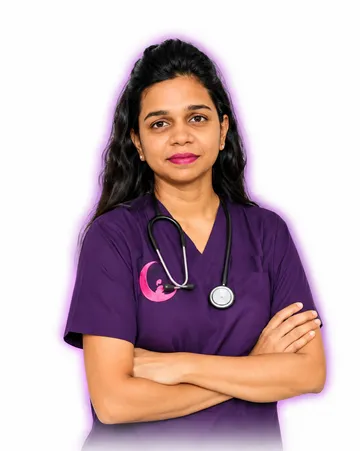
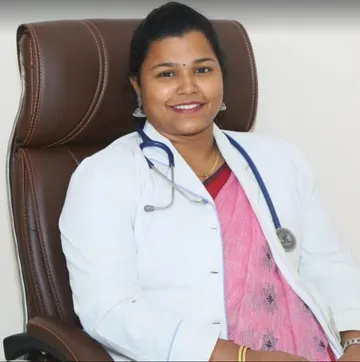
Dr. Ramya Sadaram, a leading fertility expert in Visakhapatnam, offers personalised care at every step of the IVF journey. From the initial testing and ovulation induction to embryo transfer and post-pregnancy care, Dr. Ramya tailors treatment plans to meet your unique fertility needs.
- Expert Fertility Assessment: Dr. Ramya conducts thorough fertility testing and tailors the IVF protocol to maximize your chances of success.
- Comprehensive Care: From monitoring your hormone levels to providing support during egg retrieval and embryo transfer, Dr. Ramya ensures that each stage of the IVF process is seamless.
- Post-IVF Support: Whether the pregnancy test is positive or negative, Dr. Ramya offers continued support and guidance, helping couples navigate their fertility journey with expert advice and care.
If you’ve been trying to conceive for over a year (or six months if you’re over 35) without success, consider seeking a consultation with Dr. Ramya Sadaram to discuss your options for IVF and other fertility treatments.
Take your first step toward parenthood in Vizag
Book your consultation with Dr Ramya Sadaram at Blissful Pregnancy Fertility clinic in Visakhapatnam. We combine expert knowledge with state-of-the-art technology to offer you the best care possible. Don’t delay, contact us today to book an appointment and ensure your peace of mind.
Frequently Asked Questions
What is IVF, and how does it work?
IVF is a process where eggs are fertilized outside the body and then transferred to the uterus. It involves stimulating the ovaries, retrieving eggs, fertilizing them in the lab, and implanting the embryos into the uterus.
Who is a good candidate for IVF?
Couples with infertility issues such as blocked fallopian tubes, low sperm count, ovulation disorders, or unexplained infertility are often good candidates for IVF.
How long does the IVF process take?
The IVF process typically takes about 4-6 weeks from the start of ovarian stimulation to the embryo transfer.
Is IVF painful?
While some discomfort may occur during egg retrieval and hormone injections, most women find the procedures manageable, especially with sedation and pain management options.
What are the success rates of IVF?
Success rates vary based on age, fertility issues, and other factors, but generally range from 40-60% per cycle.
Can IVF be used for gender selection?
IVF can be used for gender selection through preimplantation genetic testing (PGT), although this is often limited to specific medical reasons.
What are the risks associated with IVF?
Risks include ovarian hyperstimulation syndrome (OHSS), multiple pregnancies, and, in rare cases, complications from egg retrieval.
How many embryos are usually transferred during IVF?
The number of embryos transferred depends on the patient’s age and medical history. Typically, 1-2 embryos are transferred to reduce the risk of multiple pregnancies.
Can lifestyle changes improve IVF success?
Yes, maintaining a healthy diet, managing stress, avoiding smoking and alcohol, and taking prescribed supplements can improve IVF outcomes.
What happens if IVF fails?
If IVF fails, your doctor may suggest additional testing, alternative treatments, or trying another cycle. It’s important to discuss all available options with your fertility specialist.
What is the role of the TRIGAS incubator in embryo development?
The TRIGAS incubator creates an optimal environment for embryos by using a mix of oxygen, carbon dioxide, and nitrogen. The low-oxygen condition (5% O2) is particularly beneficial for maintaining the integrity and health of the developing embryos.
Why is Day 3 important in the IVF process?
Day 3 is a key milestone because it’s when embryos are evaluated for quality based on their cell division. Embryos that have reached the 8-cell stage with evenly sized cells are considered to be of high quality and have better chances of successful implantation and pregnancy.
What happens if an embryo is “blocked”?
A “blocked” embryo shows irregular cell division, which may indicate that it won’t develop properly into a blastocyst. These embryos have a lower chance of resulting in a successful pregnancy.
How is fertilization confirmed in the IVF lab?
Fertilization is confirmed by observing two pronuclei within the egg under a microscope. These pronuclei represent the combined genetic material from the sperm and egg.
How does the IVF lab mimic natural conditions?
The IVF lab uses carefully controlled conditions, including specific gas mixtures, temperature, and humidity, to replicate the natural environment of the human body where embryos would typically develop.
What is a blastocyst, and why is it important?
A blastocyst is an embryo that has developed to the stage of having over 100 cells, usually by Day 5. Blastocyst transfer is often preferred because these embryos have a higher implantation success rate.
What if there are fewer than 8 cells on Day 3?
If an embryo has fewer than 8 cells on Day 3, it may not be developing as expected. Such embryos are carefully monitored, and decisions about their viability and transfer timing are made accordingly.
Can the day of embryo transfer affect IVF success?
Yes, transferring embryos on Day 5 (blastocyst stage) generally has a higher success rate compared to Day 3 transfers. However, the decision depends on the quality of the embryos and the individual case.
Why is cell division important in embryo quality assessment?
Regular and even cell division indicates that an embryo is developing correctly, which is a good sign for potential implantation and pregnancy. Irregular divisions can signal developmental issues.
How long does the embryo culture process take?
The embryo culture process typically spans 5 to 6 days, during which the embryos are closely monitored to ensure proper development before they are selected for transfer to the uterus.
Start your journey to parenthood, book your consultation today!
Your path to parenthood starts now. Take the first step toward a healthy pregnancy – explore our expert preconception counselling today.